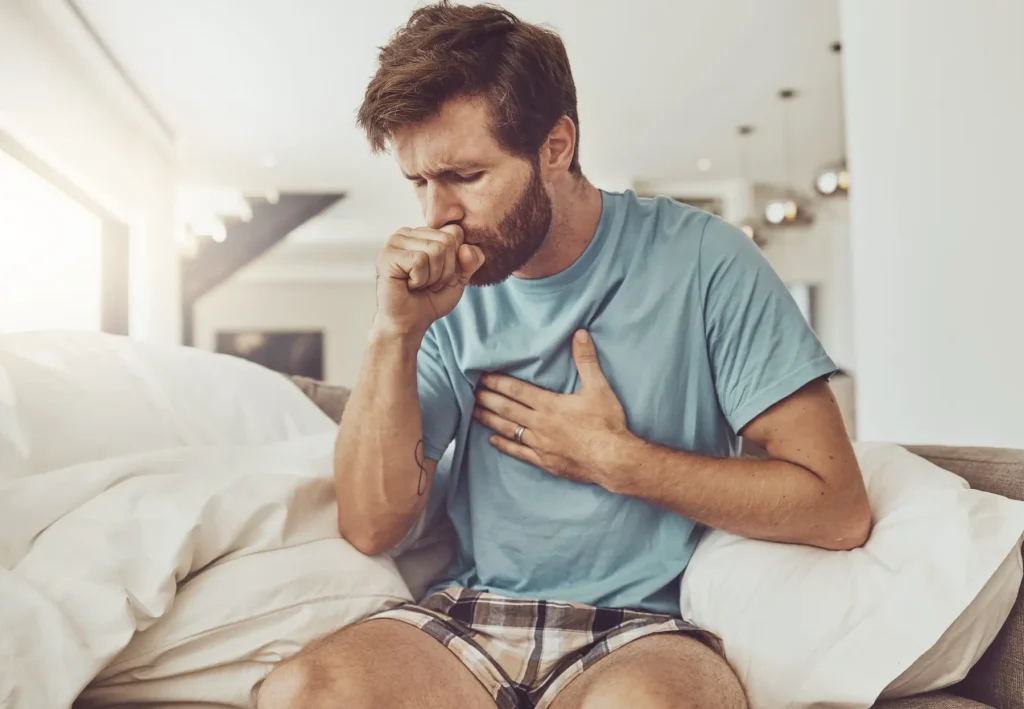
Even if it was years ago, it could still affect your lungs.
Silica dust is released when materials like stone, concrete, tiles and bricks are cut, crushed or drilled. If you’ve ever worked with these materials — or spent time around someone who does — this page is for you.
We are here to help
The Silicosis Support Hub is a trusted source of information and support, built in Australia, for Australians. Whether you’re looking to learn more about silicosis, access healthcare support, or explore your legal or compensation options, the Hub is here to help you find your next step.
Three things you can do today
Take the Risk Assessment
Find out your risk level in a few minutes. Our online risk assessment helps determine your level of exposure and provides personalised next steps. Your results will include a risk level (low, medium or high), a checklist of what to do next, and a copy of your information to share with your GP or healthcare professional.
If you’re in a waiting room right now, you’re in the right place at the right time. Let your GP know about your past exposure and ask for a referral for screening. They can arrange lung function tests or a CT scan to check for early signs of damage.
Not sure what to say? Complete the risk assessment first and take the report to your appointment.
Contact our Silicosis Support Nurse
Living with a chronic illness like silicosis can impact your mental health and emotional well-being. Learn about managing anxiety, stress, and financial strain, as well as how to find emotional support.
Even if you feel fine, silica dust exposure can lead to serious health conditions over time.
Taking action now can protect your health and your future.
After diagnosis with silicosis or another silica-related disease, it’s important to take action to safeguard your health, financial stability and emotional well-being.
Silicosis is a serious lung disease caused by breathing in fine silica dust. It causes scarring in the lungs, leading to breathlessness, fatigue and coughing.
Silicosis is called a “silent disease” because you may not feel any symptoms until your lungs have already been significantly damaged. Symptoms develop slowly, often after years of exposure. That’s why it’s important to act — even if you feel fine right now.
Quick Facts
Silica dust is 100× smaller than a single grain of sand
Up to 600,000 Australians are exposed to silica dust each year
Around 350 Australians are diagnosed with silicosis each year with hundreds more likely to remain undiagnosed
Early screening can detect lung damage before symptoms appear
Silicosis cannot be cured, but it can be prevented - and catching it early makes a real difference. Whether you take the risk assessment, talk to your GP, or explore the Hub, the most important thing is to take that first step.
We’d love to hear your feedback! Our goal is to provide clear, helpful information about silicosis and what steps you can take next. Your input helps us improve the site and make it as useful as possible. It only takes a short time to share your feedback!