About silicosis and silica-related disease
Discover the key facts about silicosis, its causes, symptoms, diagnosis, and prevention. Access essential resources to protect your lung health and future.
What is silicosis and why does it matter?
Silicosis is a preventable but serious lung disease caused by breathing in silica dust. It’s on the rise in Australia, affecting workers in stone cutting, construction, and other high-risk industries.
Silicosis is a life-changing lung disease that occurs when tiny silica dust particles are inhaled. This dust is found in materials like engineered stone, concrete, and brick, and it causes scarring in the lungs (fibrosis), leading to breathlessness, fatigue, and coughing. While silicosis cannot be cured, it can be prevented with early intervention and the right safety measures.
The good news? If you understand the causes, symptoms, and the steps for early screening, you can take action to protect yourself and your loved ones.
- Hosted by James O'Loghlin
Key statistics about silicosis in Australia
Silicosis is a growing health concern for Australian workers.
Did you know?
Silica dust is 100x smaller than a single grain of sand.
Engineered stone contains over 95% crystalline silica.
Up to 600,000 people in Australia are exposed to silica dust each year.
250 Australians each year develop lung cancer due to silica exposure.
In 2021, 26% of Victorian workers with silicosis had been in the industry for less than 10 years.
In a 2021 study, over 20% of stonemasons in Queensland were found to have silicosis.
350 Australians develop silicosis annually.
These statistics highlight the urgent need for prevention, early screening, and legal protections for workers at risk of silica exposure.
Explore key topics about silicosis
Get the facts on the causes, symptoms, and how to protect yourself.
Each of these pages explores a key part of silicosis — from how it starts to how it’s treated. Click on the topics below to learn more.

Silicosis disease
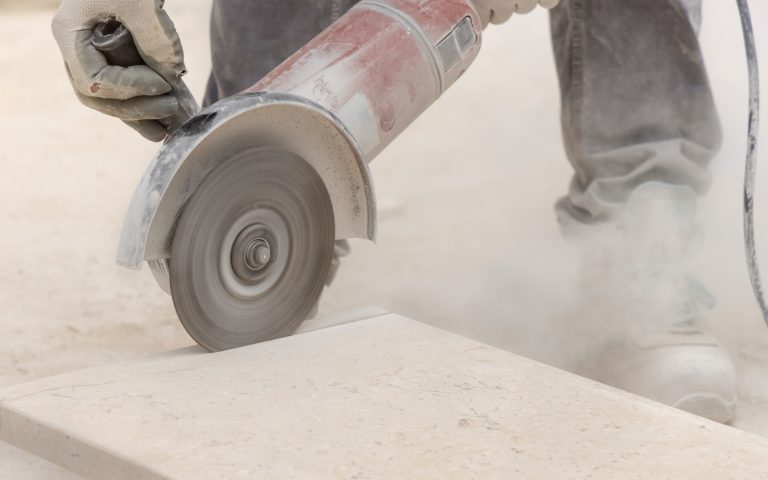
Silicosis is a serious lung disease caused by inhaling toxic silica dust. Learn how it develops, the different types (chronic, acute, and accelerated), and how it affects lung health.
Silicosis causes
What causes silicosis? This page explains how silica dust exposure occurs, which industries are high-risk, and the key steps to reduce exposure.

Silicosis symptoms
Early symptoms of silicosis can be subtle, but recognising them early can make a big difference. Learn about key signs like breathlessness, coughing, and fatigue.

Silicosis screening
Screening can detect silicosis early — even before symptoms appear. Learn how lung function tests, X-rays, and CT scans work and why they’re essential.

Silicosis diagnosis
Wondering how silicosis is diagnosed? This page explains the testing process, the role of doctors, and what happens if you receive a diagnosis.
Prevention & safety
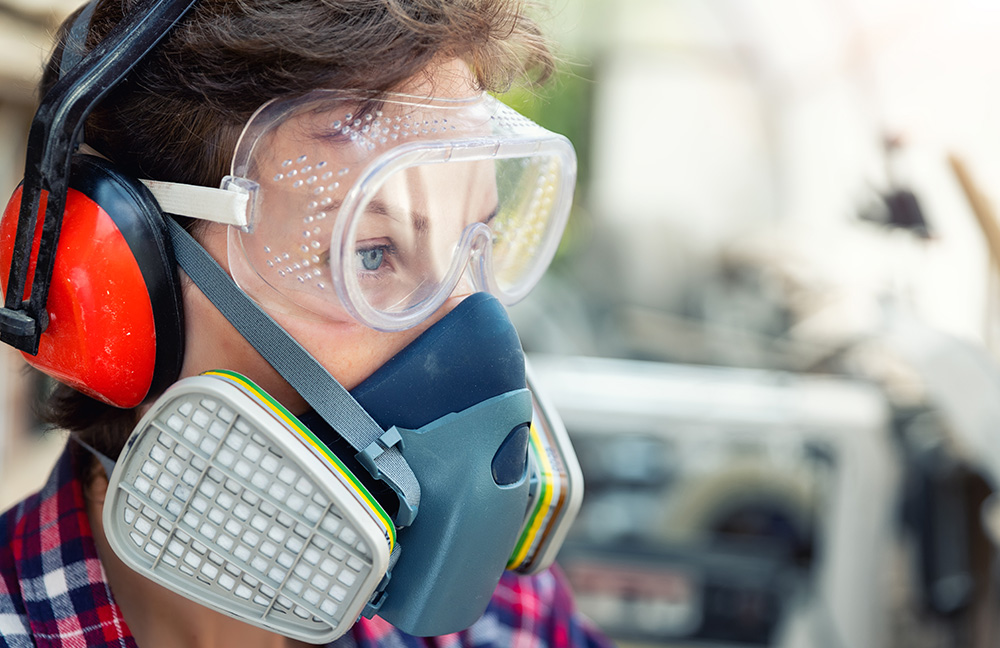
Prevention is always better than treatment. Learn how to protect yourself from silica exposure through safe work practices, PPE, and industry regulations.
Take action to protect your health
Don’t wait for symptoms to appear. Take action today.
Taking action today can protect your health tomorrow. Whether it’s booking a screening, learning about prevention, or speaking to a Silicosis Support Nurse, these steps are vital.
Frequently asked questions (FAQs) about living with silicosis
Here are some of the most common questions about living with silicosis.
What is the difference between silicosis and silica-related disease?
Silicosis is a type of silica-related disease. While “silica-related disease” includes any lung condition caused by silica exposure, silicosis specifically refers to lung scarring (fibrosis) caused by inhaling silica dust.
Learn more about silicosis and silica related disease here.
How does silica dust damage the lungs?
When you breathe in silica dust, the tiny particles get trapped in your lungs, causing irritation and inflammation. Over time, this leads to scarring (fibrosis) of lung tissue, making it harder for your lungs to expand and take in oxygen.
Discover how breathing in silica dust causes damage to your lungs.
What are the early symptoms of silicosis?
Early symptoms include mild breathlessness, a persistent cough, and fatigue. As the disease progresses, symptoms can become more severe, affecting daily activities and quality of life.
Learn more about symptoms of silicosis here.
How do I know if I need to be screened for silicosis?
If you work in high-risk industries like stone-cutting, construction, or mining, you should be screened regularly — even if you have no symptoms. Speak to your employer or GP about screening options.
Learn more about silica screening and health monitoring here.
What should I do if I’ve been exposed to silica dust at work?
If you’ve been exposed to silica dust, don’t wait for symptoms to appear. Ensure you attend your workplace screening, or if you’ve left that work, consult with your GP instead to access screening.

