Silicosis in Sydney Tunnelling Projects: Strengthening the Systems That Keep Workers Safe
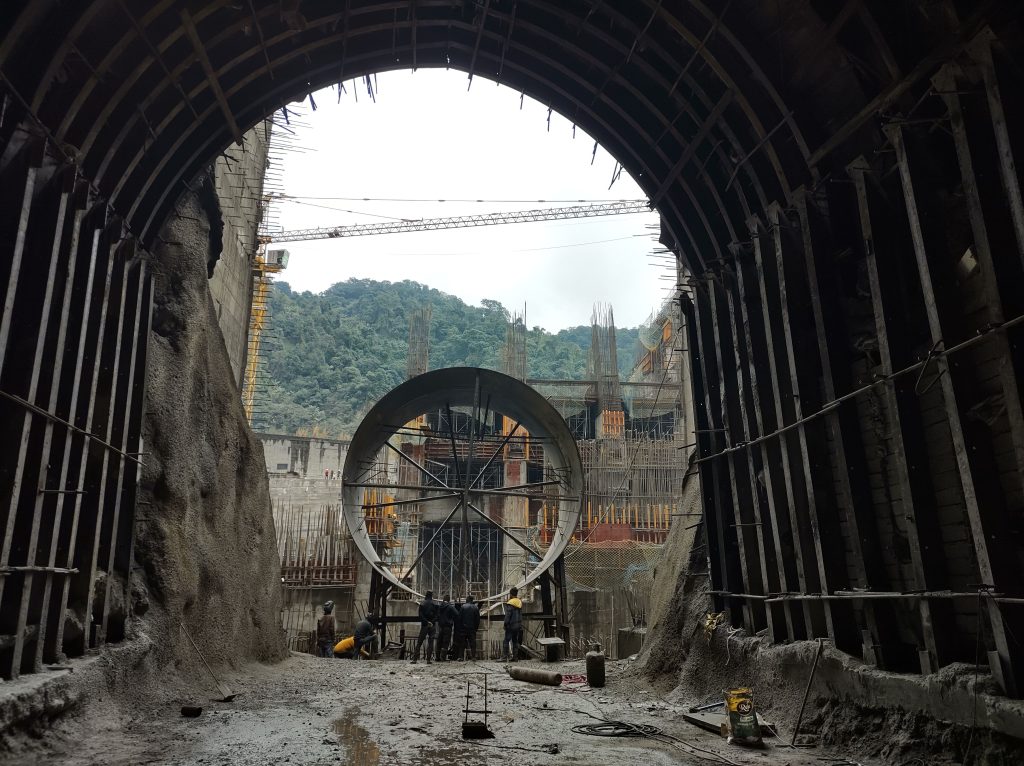
Thirteen workers—some as young as 32—have recently been diagnosed with silicosis after working on Sydney tunnelling projects, including the M6 Stage 1. These are not just isolated incidents; they are a warning signal.
Silicosis is a preventable occupational disease caused by exposure to respirable crystalline silica (RCS)—a fine dust produced during tasks like tunnelling, demolition, and stone cutting. Once inhaled in too large a quantity or over too long a time, these particles can permanently damage the lungs, leading to progressive and sometimes life-limiting illness.
At the Asbestos and Dust Diseases Research Institute (ADDRI), we stand with our partners across government, healthcare, and industry in responding to this moment with urgency and resolve. Australia has made important strides in dust disease prevention—but this resurgence shows the need for renewed commitment to systemic, nationwide protections.
Silicosis in the news
You can watch some of the recent news coverage linked here: News Coverage
The NSW Government has established a special and very important taskforce to address the risks of silica dust exposure among underground workers in Sydney’s major tunnel projects. The taskforce is investigating how to protect workers from potentially lethal dust, announcing new health monitoring protocols. It has been wonderful to see the invaluable expertise of Professor Tim Driscoll and Kate Cole OAM informing this effort.
This news and taskforce has also coincided with the release of a new resource developed by ADDRI, in partnership with Australian and global experts on silicosis in healthcare, research, compensation and legal areas. The Silicosis Support Hub (silicosis.org.au) is a dedicated resource to support anyone impacted by silicosis and silica-related disease. Whether you’re a worker or family member, the Hub offers easy access to information, services and guidance.
What is silicosis?
Silicosis is a progressive lung disease caused by significant inhalation of fine silica dust. These microscopic particles bypass the body’s natural defences, embedding deep in the lungs and causing inflammation, scarring, and loss of lung function.
Common symptoms include:
- Persistent coughing
- Breathlessness during activity
- Chest pain or tightness
- Fatigue
- Increased susceptibility to lung infections
Silicosis may take years to develop—but it is entirely preventable with the right controls and early detection. In some cases, acute silicosis can develop with extreme exposure in a short period of time and affect workers in the prime of their lives.
Sydney tunnel diagnoses: what’s happening?
SafeWork NSW has confirmed that 13 tunnel workers across multiple sites have developed silicosis following occupational silica exposure. In response, a silica compliance taskforce has been established to investigate the circumstances and prevent further cases.
This comes as Australia leads globally with significant silica safety reforms—including becoming the first country to ban engineered stone. State and territory governments have also expanded health screening for exposed workers and updated dust disease compensation schemes.
These rapid responses by regulators, unions, and government leaders are essential—but this must only be the beginning.
Why ongoing vigilance matters
Despite world-class regulations, the reality on worksites can lag behind. On complex infrastructure projects with high workforce turnover and multiple subcontractors, it’s easier for safety systems to break down.
Silicosis develops silently and slowly—sometimes years after exposure. That’s why prevention must be systemic, sustained, and supported at every level.
What works: ways to prevent silicosis
Evidence-based prevention is possible. Key strategies include:
- Dust suppression: Water sprays, on-tool extraction, and effective ventilation.
- Workforce education: Training to ensure workers understand risks and control measures.
- Respiratory protection: Masks may be required when other controls are in place, and residual risk remains. Only fit-tested respirators are enough to provide proper protection.
- Health monitoring: Access to regular lung health assessments, including imaging and spirometry.
Click here for more information about silicosis prevention and safety here.
ADDRI’s role: research, education and support
As Australia’s national research institute for asbestos and dust diseases, ADDRI is committed to reducing harm through research, education, support and advocacy.
Via silicosis.org.au, we provide:
- Independent, up-to-date information on silica exposure and health
- Resources tailored to workers, employers, GPs, and allied health professionals
- Support pathways for those diagnosed or concerned
- Updates on emerging research, policy reforms, and screening programs
ADDRI also provides a dedicated support service for those affected by silicosis exposure, diagnosed with silicosis, or people who care about someone who is affected. Our dedicated nurse can guide you through your diagnosis, treatment, and support options.
Click here to contact the Silicosis Support Nurse
Together, we can help build a system that not only reacts—but protects.
How can we all help?
Employers:
Ensure dust control measures are practical, enforced, and embedded in day-to-day operations.
Workers:
Know your rights. Report unsafe conditions. Participate in health screening and consult your GP if you’re experiencing symptoms.
Health Professionals:
Be alert to occupational history. Refer at-risk patients for further screening and specialist review.
Policymakers:
Continue investing in prevention, enforcement, and equitable compensation frameworks.
A moment for leadership
The resurgence of silicosis in tunnelling is not a failure—it is a call to act.
At ADDRI, we believe every Australian worker deserves a safe workplace. Through vigilance, research, and national collaboration, we can eliminate silicosis and protect the next generation of workers.
For support, resources, or to learn more, visit silicosis.org.au.


